The Year of Microwave Cookery
A tortured and probably not-that-novel analogy that nevertheless is 100% human-generated and therefore perfect

I have made no secret of my disdain for AI.
I'm certainly not alone in these feelings, but I've been especially loud on the matter, to the degree that I could reasonably be termed a "skeptic", "crank", or "outright hater" of the technology that's so rudely entered our lives in the past several years.
My opposition is two-fold.
There's the moral stance, first and foremost; as a person of some creative inclination, I find the scale of intellectual theft behind the major large-language models to be appalling, especially when these plagiarism machines' appetites for electricity and water are becoming a genuine societal problem.
On a less-righteous but no less visceral, level, though: it's also just an aesthetic nightmare. I mean, ransacking the libraries and boiling the oceans is one thing, but does the result have to be so damned ugly? This thought loomed over me like a dark cloud this past weekend as I strolled through the exposition hall at the Kentucky State Fair, an event I quite enjoy but one that–like so many other things in 2026–was tarnished by The Aesthetic of Everything Now:
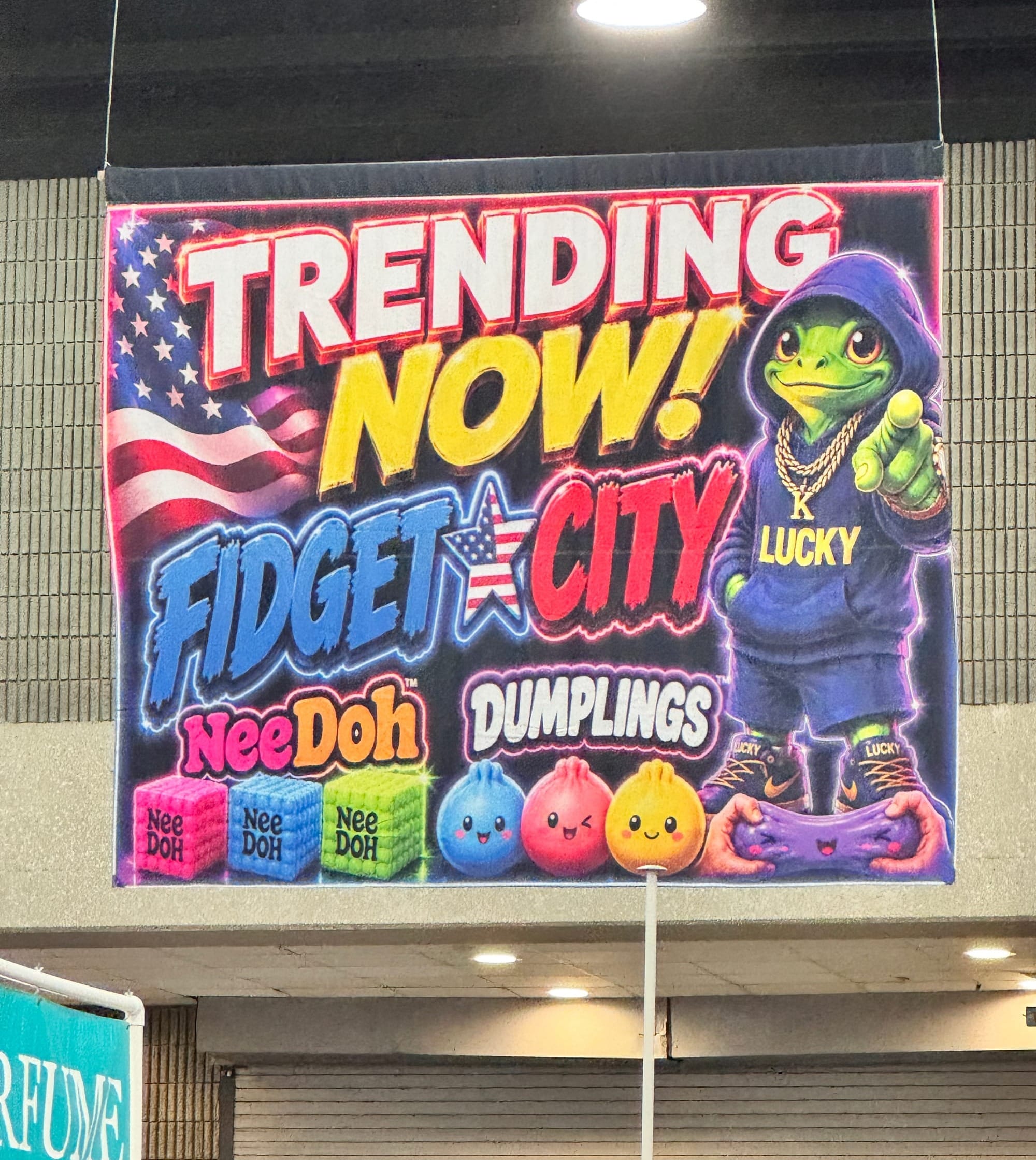
That's just one example of a look that pervaded the fair, from the trinket-sellers to the food vendors to a dispiritingly-high number of the county-level display booths. The things I come to the state fair to see were still there–the baby ducklings, herding dog exhibitions and soon-to-be-molding baked goods–but they were surrounded by a visual assault of posters and signs using the same weirdly-kerned fonts and uncannily-shiny imagery.
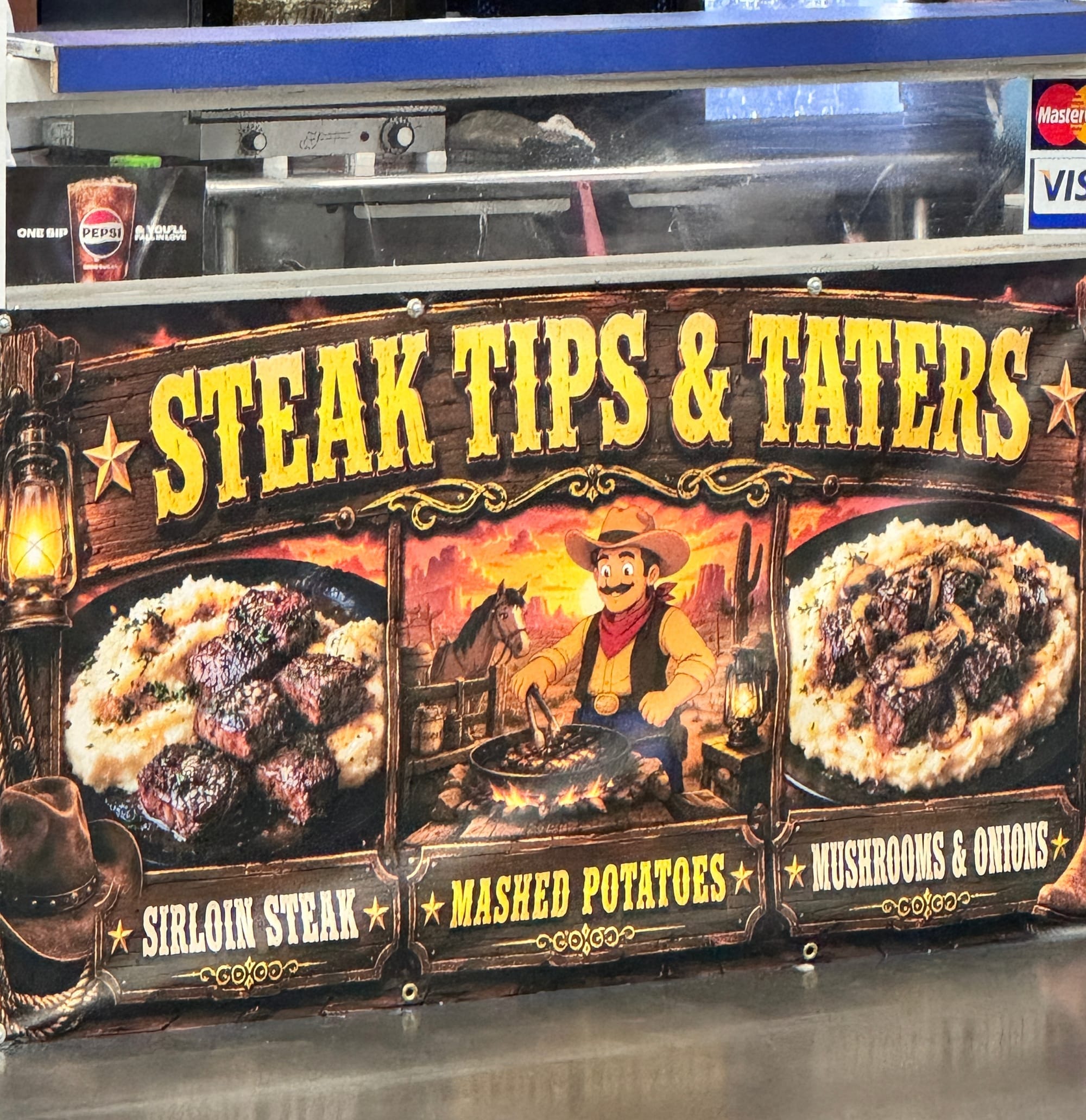
It's tiring to complain about this stuff, and I'm sure it's just as tiring to hear me complain about it; my wife and kids certainly heard plenty of grousing from me as we made our way through the fair. I just find it so galling to see this stuff show up in places where it simply does not need to be.
With that all said, I will now make some small and grudging concessions in service of a larger analogy.
For all the needless applications of the technology, all the brainless delegations of critical thinking and creativity, I have heard of some compelling uses for AI-adjacent technology. In the proper hands (I'm told), it can be a powerful tool for aiding medical diagnoses. A coworker recently reported promising results using it to detect coordination clashes between architectural and engineering drawings. I refuse to find out first-hand–I remain a crank, and proudly so–but there are supposedly some things that AI is actually quite good at.
In that sense, it's a bit like the microwave oven.
When microwaves first gained widespread household popularity in the 1970s and 1980s, the technology was compelling–heck, even a little bit scary. (I have clear memories of being told to go to another room when my mother was heating something in our first microwave, a GE behemoth the size and approximate decibel level of a small car.) This was novel technology; these machines heated things much faster and in a completely different manner than had ever been possible. People were excited to ponder the many ways they could be used–they would revolutionize cooking!
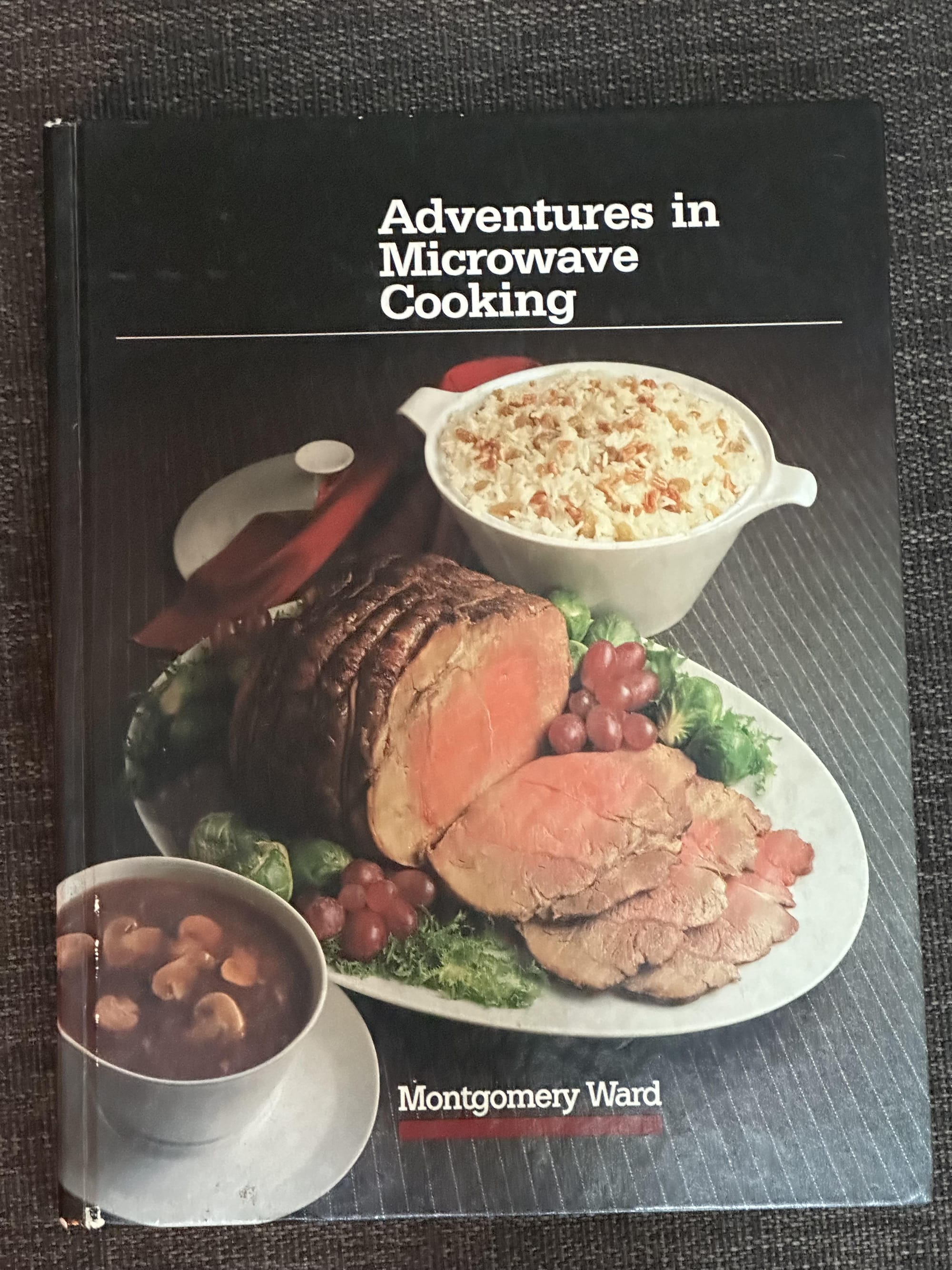
A quick search through a thrift-book seller's site offers no shortage of cookbooks from that era dedicated to Microwave Cookery, each offering an unappetizing look into what was once a thrilling future:
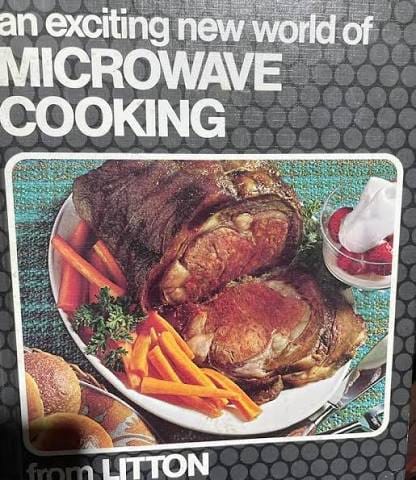
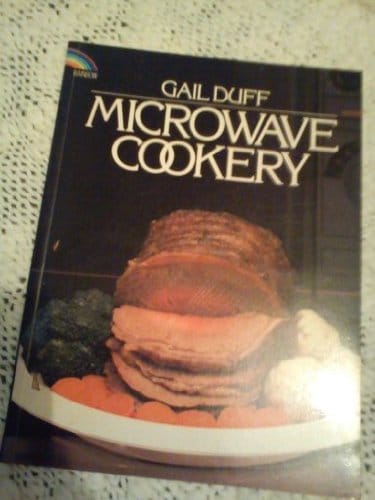
By 2026, of course, we have a better handle on what the microwave is for.
It is arguably the best way to do some things; you might get better results cooking a frozen burrito through more time- and labor-intensive methods, but the microwave will get you to "pretty good" in three minutes, and if you've got more than three minutes to spend on dinner, you could probably eat something other than a microwave burrito. It's certainly possible to live without a microwave–lots of people do–but it's good enough at the things it's good at to have earned it a place in the vast majority of kitchens.
So, yes. You could have AI read your kids a bedtime story, but you also could microwave the Thanksgiving turkey. Both are potential reasons why your kids won't speak to you as adults. We've already more or less purged the latter from our collective psyche; I'm cautiously optimistic that in time we'll get there on the former, too, and can figure out what the microwave burritos of this future are.
Friends, it's Friday again at The Action Cookbook Newsletter.
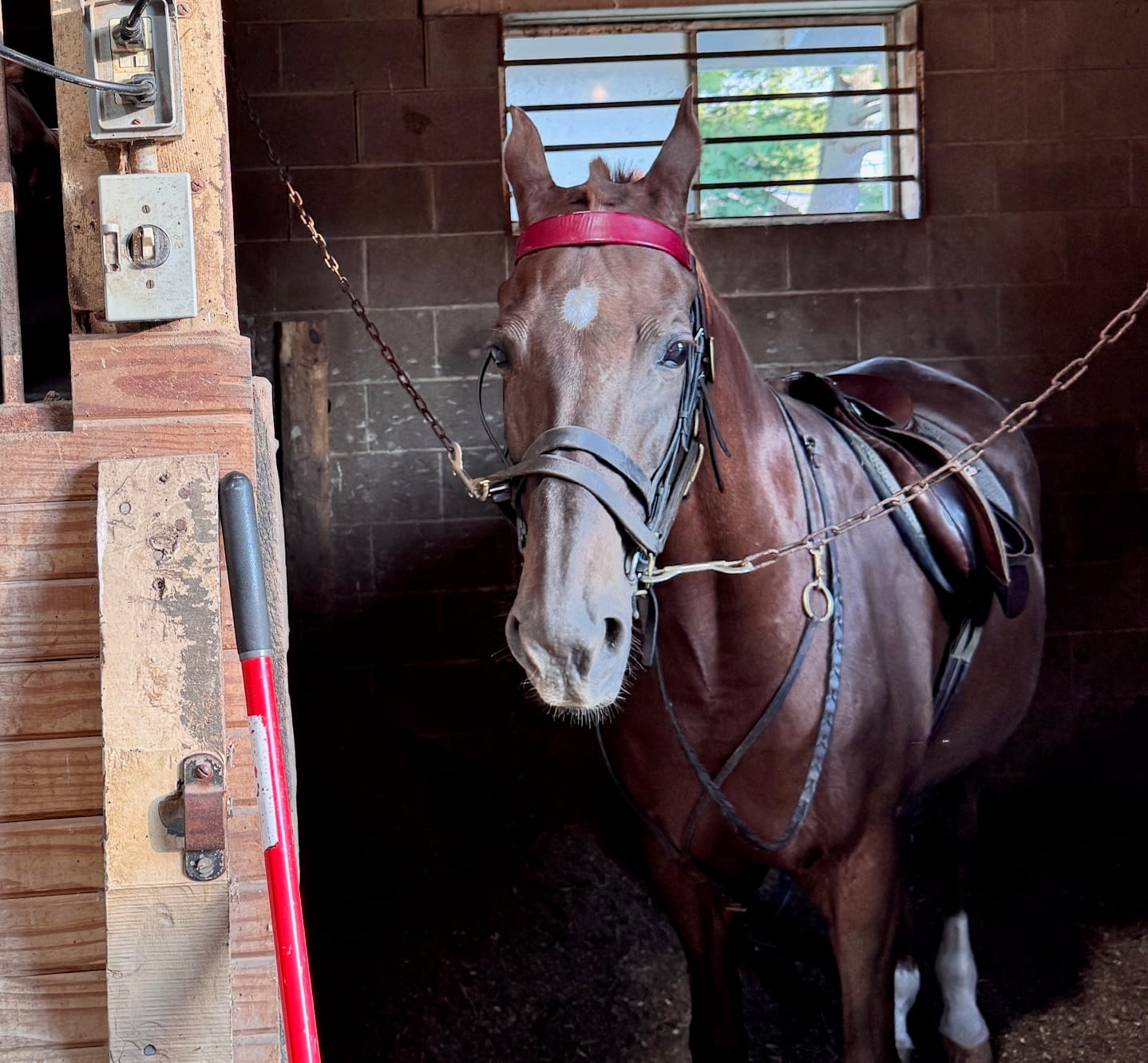
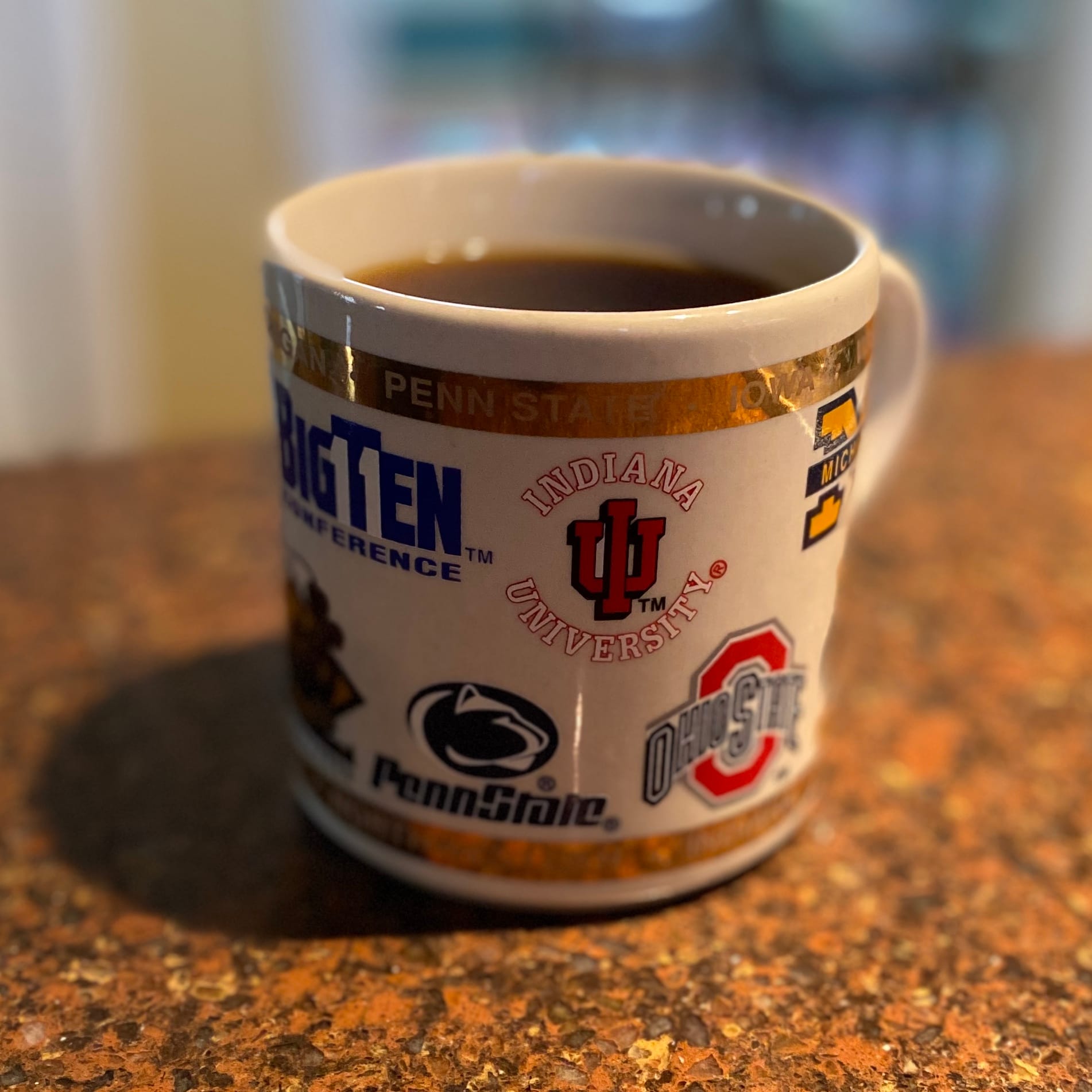
Lest you think I've gone soft in my Luddite tendencies, I'll note that I wrote the first draft of the above in pen on a pocket steno pad while sitting in a literal barn. My writing is like my favorite 11-team-era Big Ten mug: stubbornly anachronistic, and absolutely cannot go in the microwave.
I've got more than just Old Man Yelling At Cloud to offer today. In the enduring spirit of Fridays at the ACBN, today I'm exploring bold new frontiers in leftover usage, along with a low-octane, high-flavor cocktail, some refreshingly lo-fi music, books, pets and more!

Press that popcorn button, and let's cook.
There's no rule that say you can't make chili with ribs
I have never once made the proper amount of ribs.
Every time I go to cook them, I find myself incapable of either doing the math or remembering what happened the previous time. I plan for meat consumption on the same improbable scale that the original Action Cook Book stocked a bar:
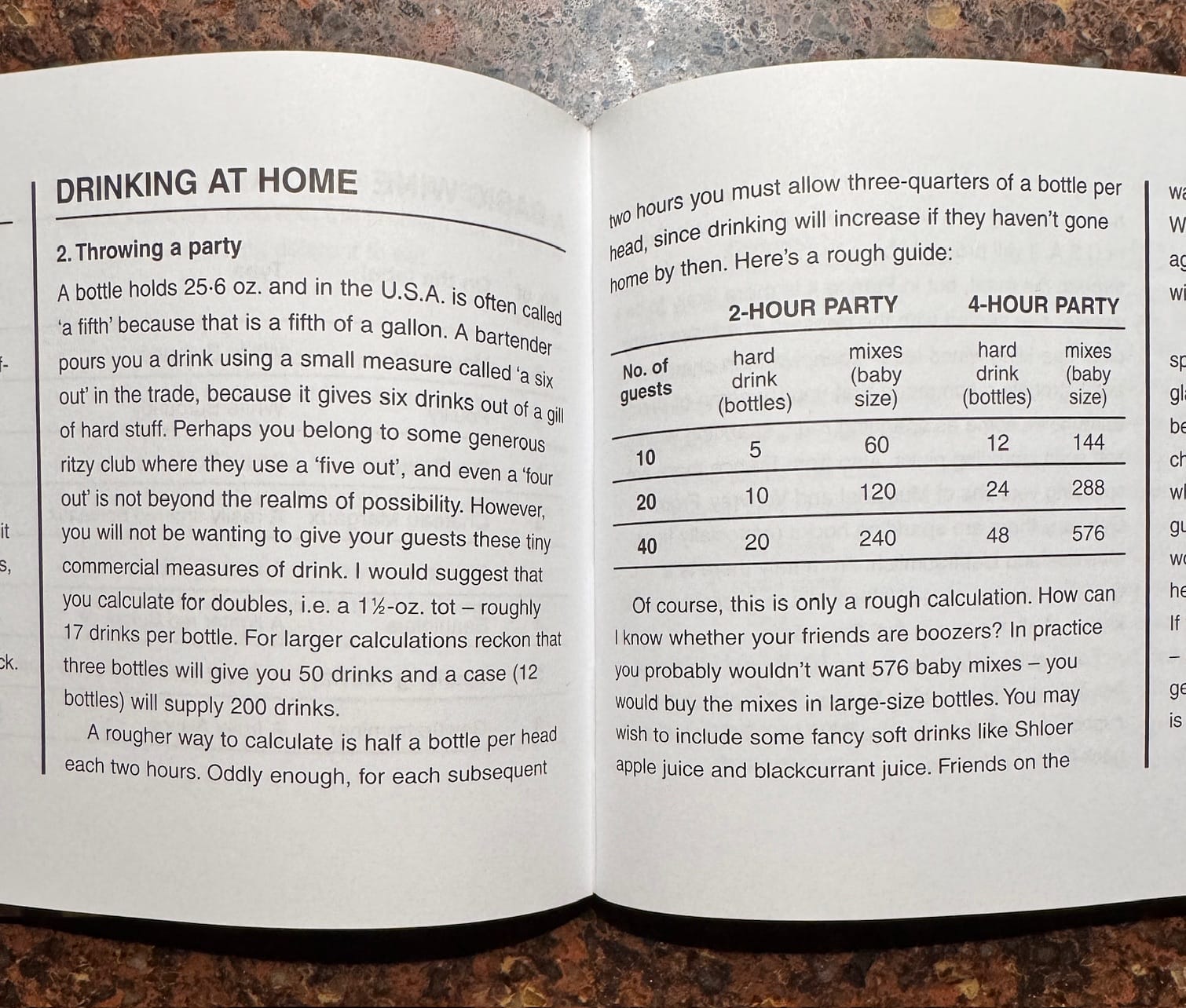
This is to say, I had a lot of leftovers the last time I made ribs.
I thought ahead and carved the meat off the leftover bones, chopped it up, vacuum-sealed it and froze it for some unspecified future use. Recently, that use came to me in the form of a question:
why shouldn't I make chili with rib meat?